


The doctoral program is part of a vibrant department, with approximately 1,300 bachelor's students and 40 master's students. Our faculty are involved in a wide range of research. The School of Criminal Justice and Criminology is also affiliated with a number of research centers and labs.
Doctoral Degree Program
The School of Criminal Justice and Criminology at Texas State University offers a doctoral program for (1) criminal justice professionals who seek advanced education and (2) students who will pursue academic appointments at colleges and universities in Texas and around the nation.
Program Overview


Course Work
Most courses are offered in the evenings or on weekends for the convenience of working professionals. Students are classified as either full-time (nine hours per semester) or part-time. All students will be given the opportunity to initiate, complete, present, and publish original research.
Each student develops an appropriate degree plan to meet his/her career and academic goals. The degree plan will include a mix of theoretical, analytical, and elective courses that will prepare students to work independently and in multidisciplinary teams.
Location In the heart of the Central Texas Corridor
Near 16 state criminal justice offices and 13 Texas counties, including Travis (Austin) and Bexar (San Antonio)
Research Faculty are involved in a wide range of research
We cooperate with a number of institutes and centers, including the Center for Geospatial Intelligence and Investigation (GII)
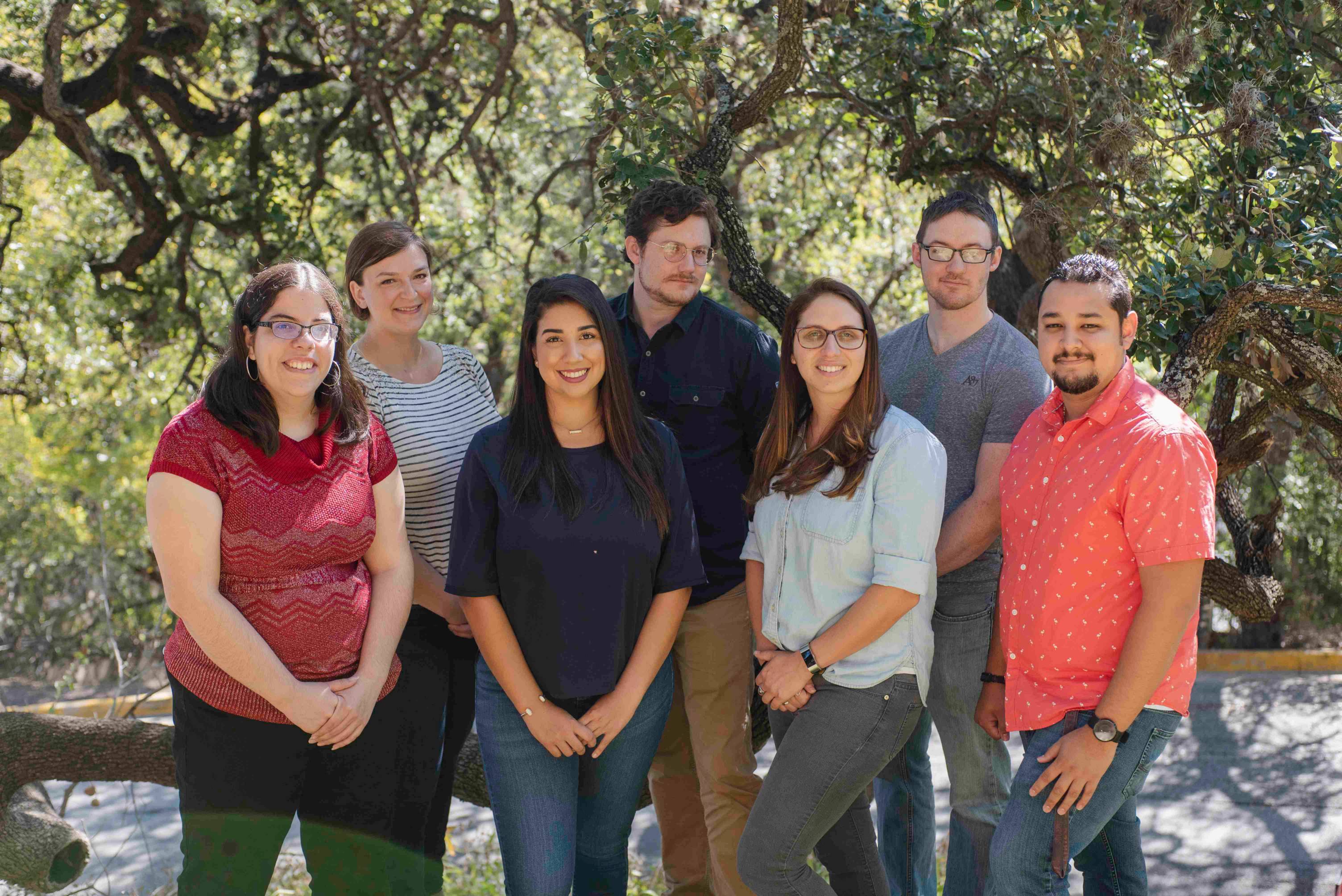
Our Students & Alumni

Have Questions? Contact Us!
Doctoral Program Mailbox
cjdoctoral@txstate.edu
Doctoral Program Coordinator
Shayne Jones, Ph.D.
sej57@txstate.edu
Administrative Assistant II
Bridgette Maddocks
maddocks@txstate.edu